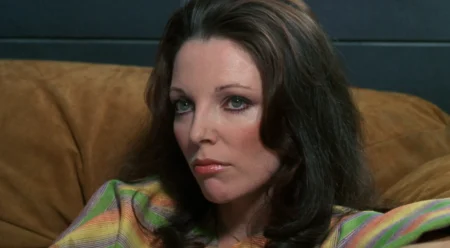
Parents aren’t supposed to have favorites. Of course, that doesn’t stop them. One kid gets all the praise, attention and affection while the other wonders what the hell they did wrong.
Most families survive a little sibling jealousy without anybody getting murdered. Horror movies aren’t nearly so forgiving.
Fifty years ago, Alice, Sweet Alice introduced audiences to a family where being Mommy’s favorite was practically a death sentence. Released on November 13, 1976, the film featured a young Brooke Shields as a beloved little sister whose First Communion turned into something considerably less holy.
But Karen wasn’t the only golden child who discovered that being special comes with certain occupational hazards. From witchcraft and vengeful ghosts to murderous children and decades-old grudges, these five movies offer a compelling argument for parents to spread the love around.
Luckily for me, I was an only child. I got to be the favorite without anybody plotting my downfall.
Alice, Sweet Alice (1976): The Favorite Daughter Gets a Very Unholy Send-Off
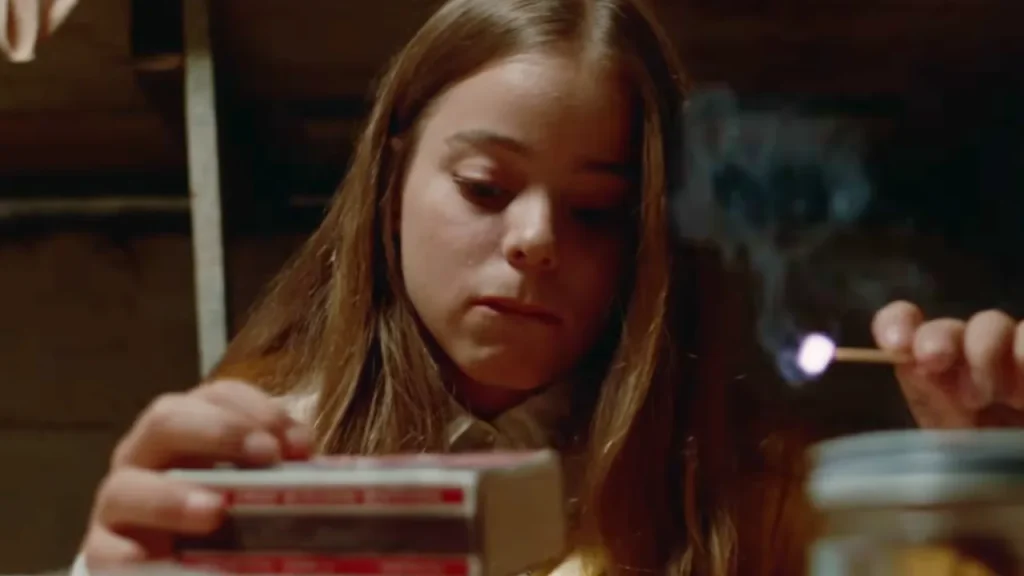
Poor Karen Spages. She’s pretty, sweet, adored by her mother and about to celebrate her First Communion. Her older sister Alice isn’t particularly thrilled about any of it.
Played by Paula Sheppard, Alice is the difficult child, the one whose behavior raises eyebrows and whose jealousy of her younger sister is hardly a secret. Karen, played by Brooke Shields in her film debut, gets the affection and attention Alice desperately wants.
Unfortunately, Karen doesn’t even make it through her big day. She’s strangled and set on fire inside the church, and suspicion immediately falls on her resentful older sister.
Director Alfred Sole packs the film with Catholic guilt, creepy religious imagery and enough dysfunctional family behavior to keep a therapist employed for years.
But here’s what makes Alice, Sweet Alice especially nasty: sibling jealousy provides the perfect explanation for something far more sinister. The adults already expect the worst from Alice, making her an awfully convenient suspect.
Fifty years later, it’s still a particularly unpleasant reminder that being the favorite doesn’t guarantee a happy childhood. Sometimes it doesn’t even guarantee you’ll make it out of church.
The Spell (1977): Daddy’s Little Girl Meets Her Sister’s Bad Side
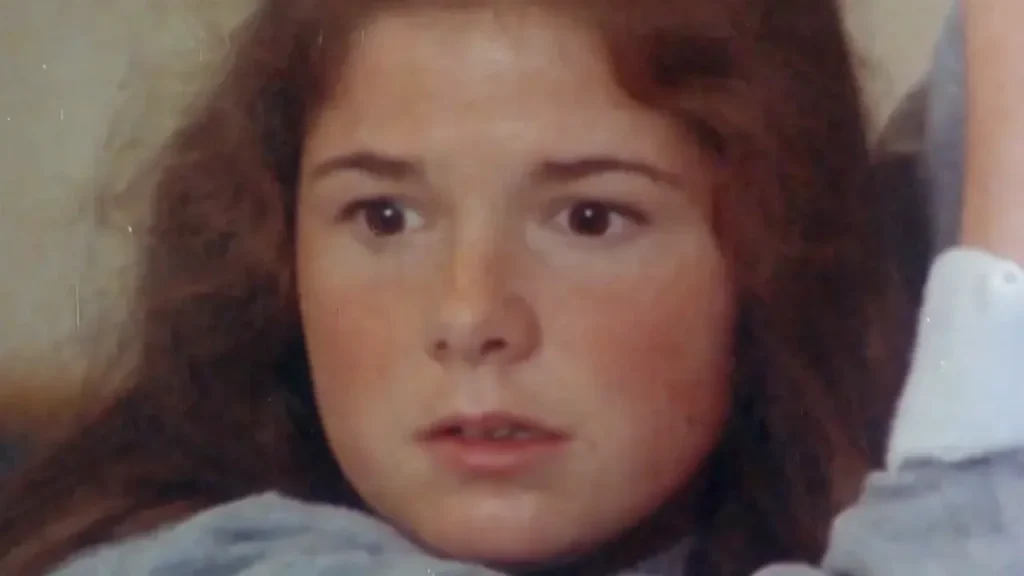
If Karen Spages thought she had sibling problems, she should have met Rita Matchett.
In this 1977 television horror movie, Rita is an overweight teenager whose father seems to consider her existence a personal embarrassment. Her younger sister Kristina, played by Helen Hunt, enjoys a much more comfortable position in the family hierarchy.
Kristina is pretty, popular with Dad and perfectly willing to join in when he makes Rita feel like garbage. But Rita has something her little sister doesn’t: a growing interest in supernatural revenge.
After a particularly unpleasant incident involving a classmate at school, it becomes increasingly clear that Rita’s anger isn’t something the family can safely dismiss. And Kristina, who has spent years enjoying her father’s approval while Rita gets humiliated, might want to rethink her attitude.
The Spell is one of those bizarre made-for-TV horror movies from the 1970s, when networks apparently had no problem serving up family dysfunction, teenage cruelty and witchcraft as evening entertainment.
The really ugly part isn’t the supernatural activity. It’s watching a father openly favor one daughter while treating the other like she’s defective.
Don’t Go to Sleep (1982): The Golden Child Comes Back for Revenge
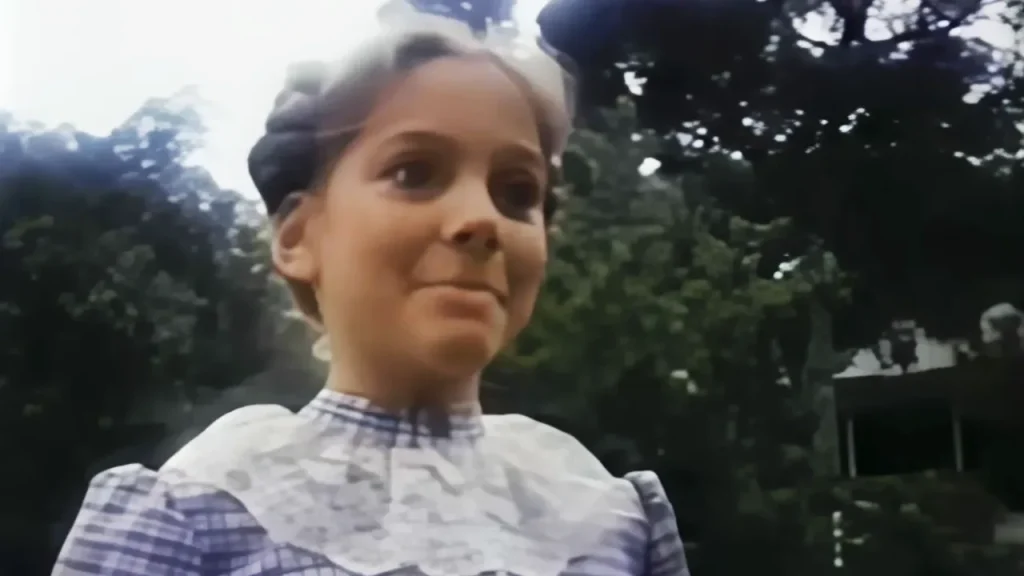
Some siblings carry grudges for years. Jennifer apparently decided death wasn’t long enough.
In this 1982 television horror movie starring Valerie Harper and Dennis Weaver, the family is trying to recover from a terrible car accident that killed their daughter Jennifer.
Her surviving sister Mary begins hearing Jennifer’s voice and eventually encounters what appears to be her dead sister’s ghost. That would be disturbing enough, but Jennifer isn’t interested in a touching family reunion. She’s angry. Very angry.
As the rest of the family starts suffering increasingly bizarre and deadly accidents, it’s clear Jennifer has some unfinished business.
Jennifer was the favorite, and Mary and her brother Kevin had had enough of the special treatment and the bullying. (Yes, that’s Oliver Robins from Poltergeist playing Kevin. The kid couldn’t catch a break in 1982.) Their attempt to get even helped set the fatal accident in motion. Talk about a family grudge getting out of hand.
Don’t Go to Sleep takes the usual golden-child arrangement and makes it even uglier. Jennifer was favored while she was alive, but dying hasn’t improved her personality or her relationship with her siblings.
And anyone who thinks television horror movies from the early ’80s were harmless little bedtime stories clearly hasn’t met this family.
The Good Son (1993): Macaulay Culkin Is Definitely Not Home Alone

After two Home Alone movies, audiences had gotten pretty comfortable with Macaulay Culkin as the adorable little boy who outsmarted criminals. In The Good Son, he’s the kid you’d want to lock out of the house.
Culkin plays Henry Evans, an outwardly charming boy whose parents have no idea what a thoroughly disturbed little monster they’re raising.
When his cousin Mark, played by Elijah Wood, comes to stay with the family, he quickly discovers that Henry’s idea of entertainment includes hurting animals, endangering strangers and threatening his own sister. As expected, nobody believes Mark.
Henry knows exactly how to play the innocent child, and the adults are more inclined to question the grieving visitor than their own seemingly perfect son.
That’s the real horror here. Henry doesn’t need supernatural powers or a ghostly accomplice. He has the benefit of adults who can’t imagine that their little darling might be a psychopath.
By the time his mother finally begins confronting what her son really is, the family has reached the sort of crisis no parenting book could possibly prepare anyone for.
The ultimate question isn’t whether Henry is the good son, but how far a mother will go when she realizes he isn’t.
What Ever Happened to Baby Jane? (1962): The Favorite Child Never Got Over It
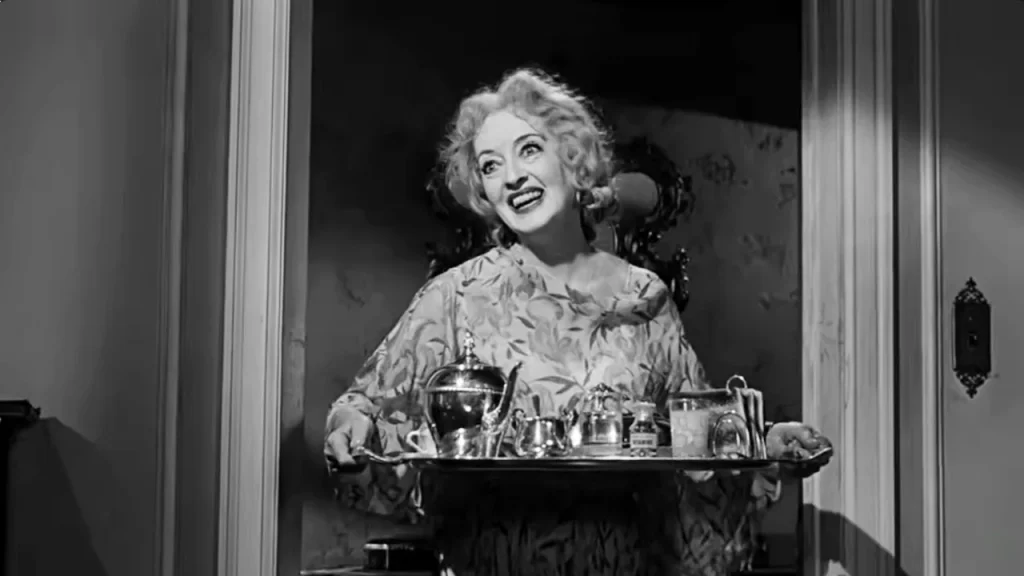
Nobody warned Baby Jane Hudson that being Daddy’s favorite wasn’t a lifetime appointment.
As a child vaudeville star, Jane is the center of her father’s universe. She’s adored by audiences, pampered by her family and thoroughly convinced the world exists to applaud her. Her sister Blanche gets to stand around watching the little princess perform, but childhood fame has a nasty expiration date.
As the sisters grow older, Blanche becomes a successful Hollywood actress while Jane’s career falls apart. The little girl who once commanded all the attention becomes an increasingly bitter woman who can’t accept that the spotlight has moved on.
Years later, the sisters live together in a decaying arrangement of resentment, dependency and psychological cruelty.
Bette Davis is fabulously unhinged as Jane, while Joan Crawford plays Blanche, the former overlooked sister whose success helped reverse their childhood power dynamic.
The film isn’t about a favored child getting murdered by a jealous sibling. It’s about what happens when that favored child grows up believing she deserves everything and discovers that nobody is interested in giving it to her anymore.
Jane’s childhood status as the family superstar becomes a curse she spends the rest of her life trying to recreate, and Blanche pays a hell of a price for it.
Maybe Just Love Your Kids Equally
There’s a rather ugly pattern running through these movies. Favoritism doesn’t merely create resentment. It gives one child a sense of entitlement while teaching another that affection is something they have to compete for.
Sometimes the overlooked sibling fights back. Sometimes the favorite turns out to be the real monster. And sometimes the family keeps the whole miserable arrangement going long after everyone involved should know better.
Real families usually get away with a little preferential treatment without ghosts appearing under the bed or somebody getting strangled during Communion. Horror families aren’t so lucky. Maybe next time Mom asks who her favorite is, the smartest answer is nobody.