
The Hunting Wives returns to Netflix for its second season today (Thanksgiving, of all days), and I’m sure plenty of subscribers are delighted. Good for them. They can have it.
I’ll be somewhere else on Netflix, probably watching a horror movie from India, a mystery from Europe, or a television series from a country whose entertainment industry I know absolutely nothing about.
And here’s something I never expected to say: Netflix has become one of my favorite major streaming services.

I’ve been a Netflix customer since the days when entertainment arrived in a red envelope through the mail. I’ve watched the company evolve from DVD rentals into a streaming powerhouse, and somewhere along the way, our relationship became decidedly love-hate.
There were stretches when I wondered why I was still paying for it. The programming wasn’t doing much for me, and I’ve canceled and resubscribed more times than I can count.
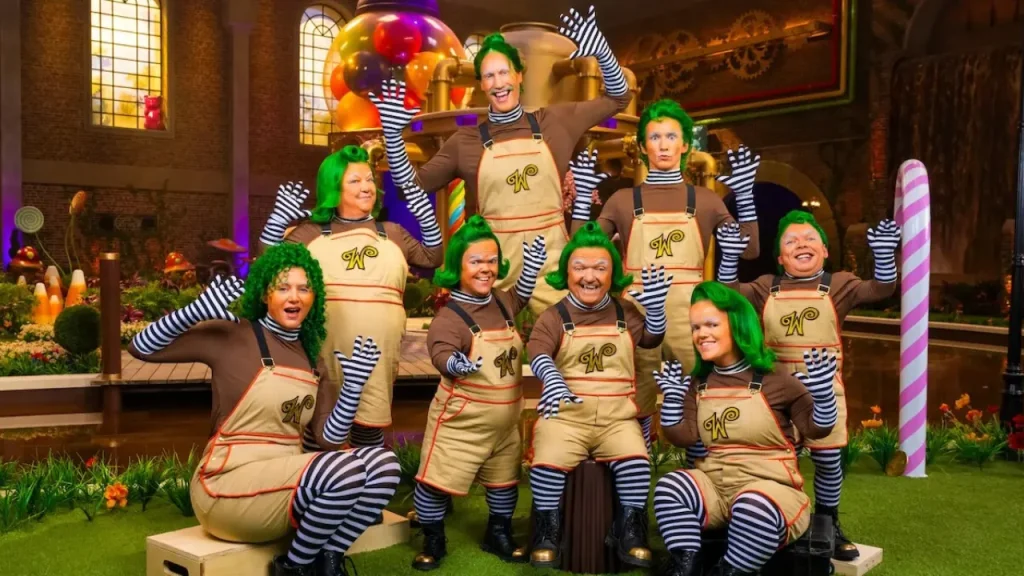
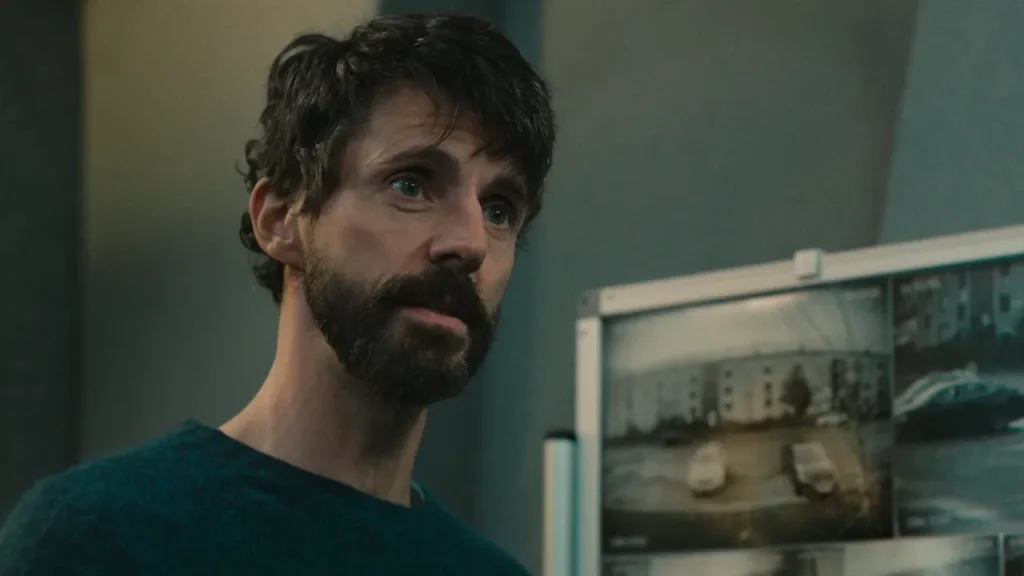
That’s not to say I haven’t enjoyed Netflix’s original programming. I’ve enjoyed Mike Flanagan’s series, The Watcher, Black Doves, Untamed, and Dept. Q. I’ve even found entertainment in its reality competitions, including Wonka’s The Golden Ticket and Is It Cake?, along with true-crime documentaries like Don’t Pick Up the Phone and the Trainwreck series.
So it’s not that Netflix hasn’t produced anything I’ve wanted to watch. It has. But another heavily promoted original wasn’t necessarily enough to keep me subscribed.
Yet here I am, all these years later, finding myself more interested in Netflix than I’ve been in a long time. And it’s not because of the next big American hit. Somewhere along the way, I stopped paying so much attention to the familiar titles Netflix kept pushing and started exploring its international catalog.
And holy hell, what a difference.
That doesn’t mean everything I’ve discovered has been worth watching. I’ve encountered my share of garbage, too. But there’s an entire world of entertainment sitting right there, much of which I might never have discovered otherwise.
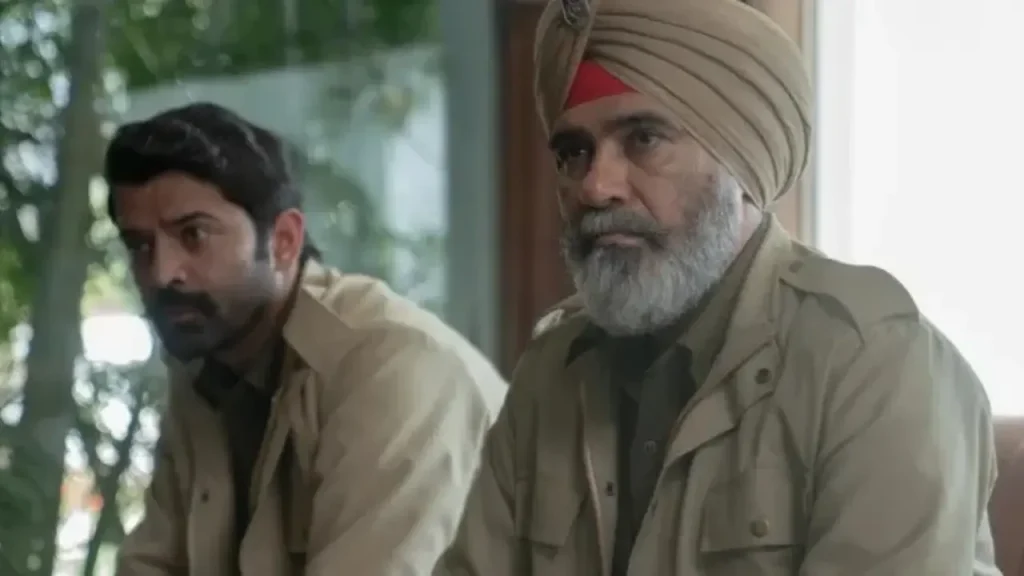
It’s not as though international programming was completely new to me. I’d already watched series like Thailand’s Don’t Come Home, South Korea’s Gyeongseong Creature, and India’s Kohrra. But those discoveries felt more like occasional detours. Lately, international programming has become far more prominent in my Netflix experience, and I’m finding myself deliberately looking for more of it.
Netflix Doesn’t Need to Please Everybody With the Same Shows
There has been plenty of turmoil at Netflix lately, including a leadership shake-up and reports of dissatisfaction with co-CEO Ted Sarandos’s direction. The company wants more big hits, particularly from its American programming operation.
Fine. That’s business.
But I hope nobody confuses the need for more American hits with the idea that American audiences only want American entertainment. Because I certainly don’t.

Netflix can produce another ten seasons of The Hunting Wives for all I care. If people enjoy it, fantastic. That’s their entertainment. I have mine.
And increasingly, mine comes with subtitles.
I didn’t go looking for Telugu horror when Netflix put 418 in front of me. I was supposed to be watching something else. Instead, I spent two and a half hours following a strange little horror story that required me to rewind dialogue because the subtitles were moving faster than I could read.
Was that inconvenient? Sometimes. Was I entertained? Absolutely.

I had a similar experience with Eega, a 2012 Indian fantasy about a murdered man reincarnated as a fly. A FLY. Tell me that premise doesn’t deserve at least a little curiosity.
I also found myself getting tangled up in the complicated relationships of The Perfect Lie, and now I’m looking toward more international series, including horror from Kuwait.
Some will be good. Some will undoubtedly be garbage. That’s true of every entertainment industry on the planet. But at least I’m discovering something different.
Subtitles Aren’t a Punishment
One of the biggest surprises of exploring international television and film is how much it exposes American viewers to storytelling approaches we don’t necessarily encounter in our usual entertainment diets.
Different cultures, different expectations, different pacing, different humor. Sometimes even familiar words mean something different from what you assumed. And none of that requires treating international programming as homework.
I’m not watching these movies to become culturally enlightened. I’m watching because I want to be entertained. If I learn something along the way, that’s a bonus.
There’s something particularly exciting about starting a movie without recognizing a single actor. I don’t have preconceived opinions about the cast. I don’t know which performer is considered a superstar. I have no idea whether critics in that country loved or hated the film.
All I have is the movie. And isn’t that how watching entertainment should work?
Netflix deserves credit for making so much international content available to American subscribers. Other streaming platforms offer foreign-language programming, too, but Netflix has made it surprisingly easy for me to wander into something I might never otherwise have encountered.
It doesn’t need to abandon glossy American dramas to accomplish that. It just needs to keep both doors open.
And Can We Talk About the Fucking Commercials?
Netflix has another advantage that matters enormously to me: I can watch my ad-free subscription without somebody interrupting the story to sell me something.
Yes, I pay for that privilege. Netflix has an advertising-supported option, too. But here’s the difference: the streaming experience I’m paying for is actually uninterrupted. That shouldn’t feel like a luxury in 2026.
Hulu and Peacock are among the worst offenders in my book. Both have libraries worth exploring, but their advertising arrangements drive me insane. I shouldn’t have to keep paying more just to remove commercials from a service I’m already paying to access.
And AMC+? Good Lord.
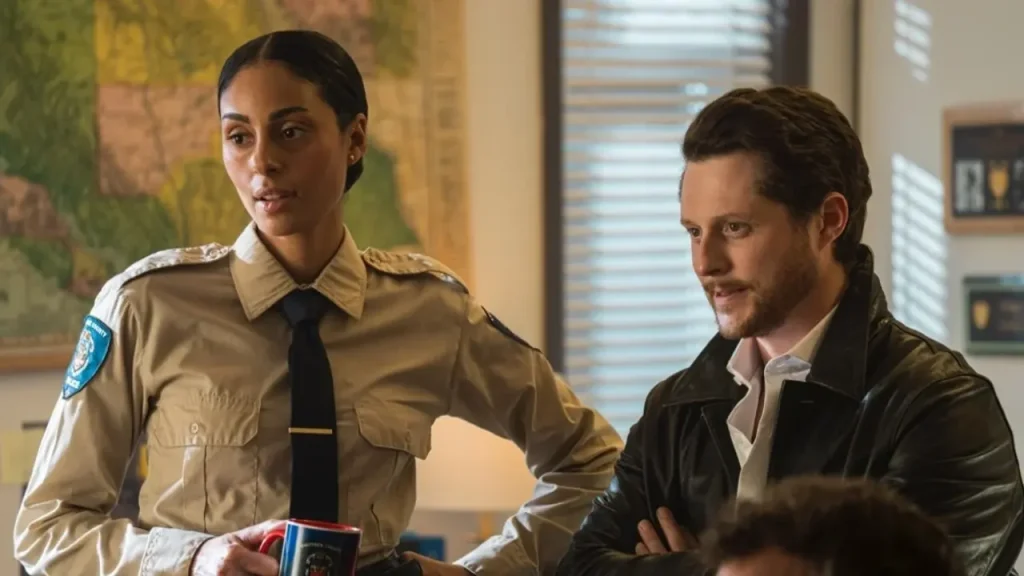
I started watching Yaga, a contemporary mystery thriller built around the Baba Yaga legend. The episodes run approximately 30 minutes. Yet the advertising interruptions on my subscription felt almost as long as the episodes themselves.
I’m not exaggerating for comic effect. That was my experience watching the show, and it was enough to make me stop.
What made it even more aggravating was that many of those interruptions weren’t advertisements for products. They were AMC promoting its own programming.
I’m already paying for AMC+. I’m already inside your streaming service. Why am I spending so much time watching you advertise the programming you’re trying to convince me to watch?

It felt less like ordinary advertising and more like an endurance test designed to make the ad-free upgrade irresistible. And eventually, that’s exactly what happened. I paid roughly four dollars more to get rid of the commercials so I could watch The Assassin in peace.
Congratulations, AMC+. You won.
Or did you? Because forcing someone to spend more money just to enjoy a show without constant interruption doesn’t exactly build goodwill. It builds resentment.
I’m a Viewer First. The Reviewer Comes Second.
Here’s something else. Could I pursue advance screeners and press access instead of paying for all these streaming subscriptions myself? Absolutely.
I do pursue press access when it makes sense, although most of my requests so far have been for promotional materials and images. I haven’t requested screeners yet because, quite frankly, they don’t fit the way I’m approaching reviews right now.
There’s something valuable about experiencing these services the way ordinary subscribers experience them.
Most viewers don’t get press screeners. They open an app, choose something to watch, and deal with whatever the platform decides to throw at them. That’s the experience I want to understand.
At Pop the Channel, I’m a viewer first and a reviewer second.
If an episode is constantly interrupted by commercials, that affects my enjoyment. If the interface makes finding something difficult, that matters. If I’m paying extra to remove advertising from programming I’m already paying to see, that matters, too.
A screener might let me evaluate the episode without interruption, but it won’t necessarily tell me what the paying audience had to endure to watch the damn thing. And that’s part of the entertainment experience, whether streaming companies like hearing it or not.
Free streaming services are a different conversation.
Tubi, Pluto TV, Plex, Roku, and other free platforms have their own advertising frustrations, and I’ve noticed interruptions becoming more intrusive on some services.
But there’s a fundamental distinction. They’re free.
I’m willing to tolerate advertising when the alternative is paying nothing to access a catalog of movies and television, especially older titles that might otherwise be difficult to find.
I don’t necessarily love the interruptions. But at least the arrangement makes sense. When I’m handing over money every month, my patience gets considerably shorter.
Apple TV Has the Right Idea, But Not Always the Right Shows
Apple TV is the other major streaming service whose original programming I can generally watch without commercial interruptions. And I appreciate that.
What I don’t appreciate quite as much is its $14.99 monthly subscription price. That’s a lot of money for a service where I can sometimes go weeks without finding something I particularly want to watch.
Apple has produced shows I’ve enjoyed, including Last Seen. When it gets something right, I’m perfectly happy to acknowledge it. But for my viewing habits, the catalog doesn’t consistently justify the full price.
Fortunately, Apple seems determined to keep me around. Every time I get ready to cancel, another discounted subscription offer seems to appear. Fifty percent off? Well, hell, now we’re talking. At that price, I’ll stick around and see what else turns up.
And that really is how I approach streaming subscriptions. I’m not loyal to a company because of its logo or how many awards its programming has won. Give me something worth watching at a price I’m willing to pay.
It’s not complicated.
The Best Part of Streaming Is Still Discovery
For all the arguments about subscriber growth, content budgets, executive shake-ups, and which streaming company is winning the latest corporate war, I sometimes wonder whether everyone has forgotten why people subscribe in the first place.
We want to watch something. And sometimes we don’t know what that something is until we find it. That’s what Netflix has been getting right for me lately.
Its international catalog has opened up entertainment from countries whose movies and television shows I might once have struggled to find in the United States. And the more I explore, the more I realize how much I’ve been missing.

Netflix reported that non-English titles accounted for more than a third of its viewing during the first half of 2026. That’s an enormous audience for programming that some American viewers might still dismiss simply because it requires subtitles.
There’s clearly room for more than one kind of television fan.
Someone can spend Thanksgiving devouring the second season of The Hunting Wives while I wander into an unfamiliar horror series from another part of the world.
Neither of us needs the other person’s favorite programming taken away. That’s the beauty of a varied catalog.
I’m not arguing that Netflix should stop producing American hits. I’m arguing that it shouldn’t lose sight of the viewers who have grown tired of the usual formulas and want something they haven’t seen before.

And I’m certainly not suggesting every international production deserves applause merely for existing. I’ve watched enough terrible movies in enough languages to know better.
But give me choices. Give me the freedom to discover something peculiar, exciting, ridiculous, disturbing, or unexpectedly entertaining. And please, let me watch it without interrupting me every six minutes.
Netflix and I have had our differences. I’m sure we’ll have plenty more. But right now, for all its faults, it’s one of the few major streamers making me genuinely curious about what I might find next.
Keep The Hunting Wives. Just don’t take away the rest of the world.